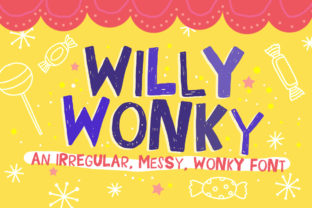
Willy Wonky Font for Bold Editorial Designs
Willy Wonky for Quirky Magazine Covers and Branding
Willy Wonky, a Display font with a messy, eccentric charm, brings an unexpected energy to editorial design. Its irregular shapes and playful curves make it ideal for magazine covers that aim to stand out from the crowd. Whether you're designing a lifestyle publication or a niche creative journal, Willy Wonky adds that special touch that makes readers pause and take notice.
For branding, this Fonts choice can reflect a personality-driven approach. It works especially well for publications targeting young audiences or those with a whimsical tone. Pair it with a clean sans serif font for body text to maintain readability while keeping the visual identity fresh and engaging.
Willy Wonky in Blog Headers and Ebook Titles
Using Willy Wonky in blog headers can transform a standard post into something memorable. The font’s crazy, weird nature suits content that leans into humor, creativity, or unconventional storytelling. For example, a food blog featuring experimental recipes could use Willy Wonky for its main header to mirror the playful spirit of the content.
In ebook titles, Willy Wonky acts as a visual hook. A self-help guide titled "The Unconventional Guide to Success" would benefit from this Display font to emphasize the book's unique approach. Just be mindful of how it interacts with subheadings and body text—keep them legible for long-form reading.
Willy Wonky for Quote Graphics and Social Media Content
Willy Wonky shines in quote graphics where visual impact matters more than strict readability. Its irregular, messy style adds character to inspirational quotes or witty sayings. This Fonts option is perfect for social media posts, where eye-catching visuals drive engagement and shares.
Consider using Willy Wonky for Instagram stories, Pinterest pins, or Facebook cover photos. Its quirky appeal aligns with platforms that prioritize aesthetics and emotional resonance. Combine it with a minimalist background or contrasting color to ensure the text remains legible across different screen sizes.
Willy Wonky in Newsletter Graphics and Chapter Openers
Newsletter designers often seek fonts that balance personality with professionalism. Willy Wonky can be used sparingly in newsletter headers or callout boxes to inject some fun without overwhelming the reader. It’s especially effective for email campaigns targeting creative professionals or entertainment-focused communities.
In chapter openers of print or digital guides, Willy Wonky sets the tone for each section. A coaching workbook might use it for chapter titles like “Breaking the Rules” or “Think Outside the Box.” However, ensure that the font doesn’t compromise the overall flow or readability of the content.
Willy Wonky for Printables and Lead Magnets
Willy Wonky is a great fit for printable materials such as worksheets, planners, and lead magnets. Its weird, quirky aesthetic appeals to users who value uniqueness and personalization. A printable planner with a theme centered around creativity or spontaneity could leverage this Display font for headings or decorative elements.
When exporting to PDF or printing, test how Willy Wonky renders on different paper types and resolutions. While it looks stunning digitally, it may require adjustments for high-quality print outputs. Always check for clarity and consistency across all formats before finalizing your design.
Willy Wonky and Font Pairing for Editorial Projects
To maximize the visual impact of Willy Wonky, consider pairing it with a complementary font. A readable serif font like Garamond or a modern sans serif like Helvetica can balance the chaos of Willy Wonky while maintaining a professional look. This strategy ensures that your editorial project remains both engaging and easy to read.
Use Willy Wonky for headlines and accents, then rely on the paired font for body copy and captions. This approach supports visual hierarchy and keeps the reader’s attention focused on the right elements at the right times.
Willy Wonky for Commercial Use and Licensing
If you plan to use Willy Wonky in commercial projects such as ebooks, templates, or paid newsletters, ensure you have the appropriate license. Many Fonts require specific permissions for web, print, or digital distribution. Always review the licensing terms before incorporating it into client work or publishing platforms.
For independent creators and publishers, investing in a premium license guarantees flexibility and legal protection. It also allows you to use Willy Wonky confidently in a wide range of editorial applications—from brand identity to promotional materials.